Skip Hire in Wanstead
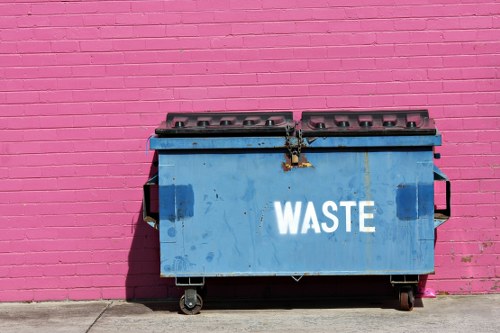
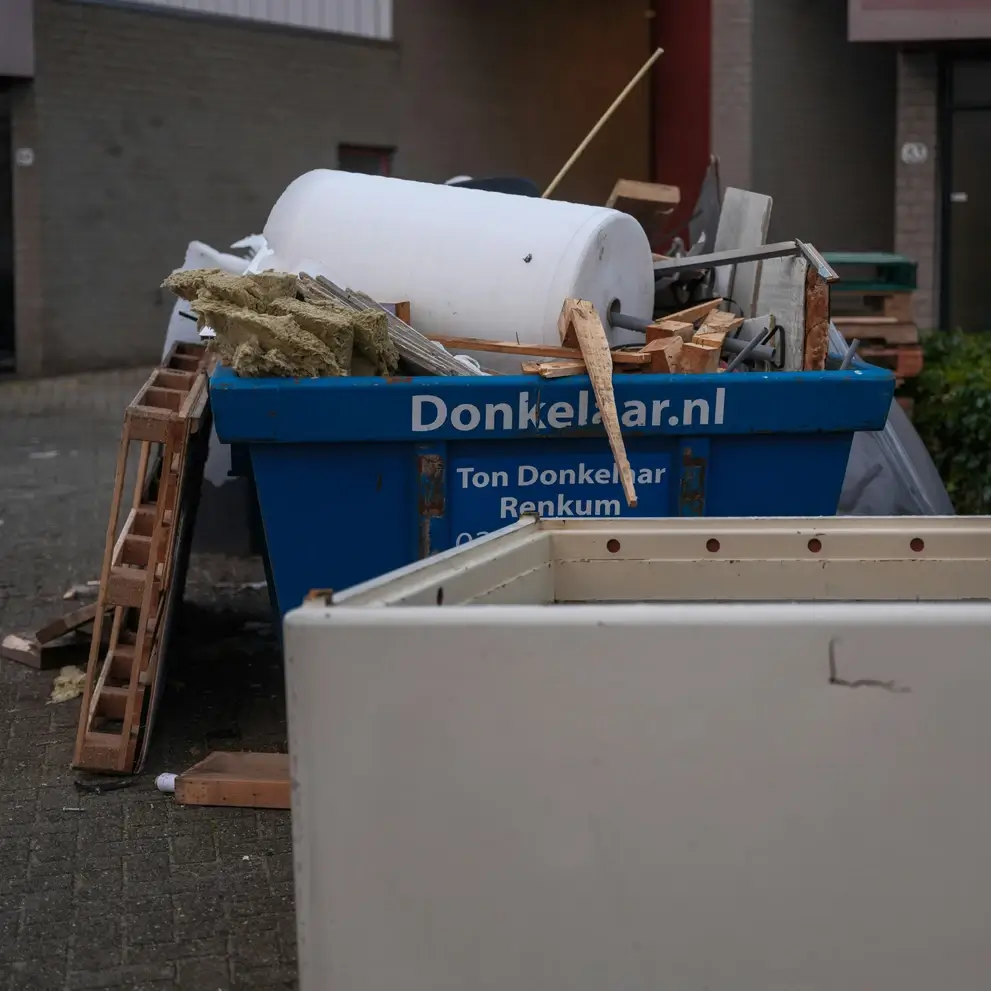
Skip hire in Wanstead gives households, trades and property managers a straightforward way to deal with bulky waste, renovation debris and everyday clear-outs in one organised collection. Our service is built around practical loading space, clear waste handling and sensible guidance on choosing the right skip size for the job. Whether you are tackling a room refresh, a garden overhaul or a building project, the aim is to keep disposal simple, lawful and well matched to the type of material you need removed.
We support a range of waste streams through builders skip hire, domestic collections and options for heavier clearances where mixed rubble, packaging and broken fixtures are involved. If you need a compact solution for a short job, or a larger container for ongoing work, the right choice depends on the volume, access and the kind of waste being produced. Choosing well first time helps keep the project moving and avoids avoidable re-handling.
For a quote, the most useful starting point is the waste type, the rough amount and any access considerations at the property. If you are ready to compare options, take a look at our skip sizes and prices information, then send an enquiry when you are happy with the likely fit. Clear details usually make the process easier, especially when the load contains a mix of heavy and light material.
Domestic and household skip hire
Household skip hire is often the simplest choice when a clear-out produces more waste than a car boot or council collection can comfortably manage. Typical jobs include replacing furniture, clearing stored items from lofts, removing old flooring or disposing of general clutter after decorating. Our domestic skip hire page covers the kind of work that sits comfortably within a home project, where predictable loading space and a single collection point are the main priorities.
For many customers, the decision comes down to how mixed the load is and how long the waste will build up. A skip can suit a home project that runs over several days, while wait and load skip hire may be more appropriate where access is tight or a skip cannot stay on site. If the job is smaller and time-sensitive, that style of collection can reduce disruption without changing the need to separate restricted items carefully.
When planning a domestic load, it helps to keep one eye on what is going in and what must stay out. As a rule, a mixed household skip is best used for general waste, furniture parts, packaging, small fixtures and renovation offcuts, while heavier or specialist materials may need a different arrangement. If you need more detail on acceptable loads, our what can go in a skip guidance is a useful place to start.
Garden, garage and loft clear-outs

Not every job is a building project. Many calls for skip hire come from the need to clear forgotten storage, cut back outdoor waste or remove accumulated items that no longer have a place in the home. Our garden waste removal service is suited to branches, turf, hedge cuttings and other green material, while garage and loft clearance helps with the build-up that often happens in hard-to-reach storage spaces.
These jobs tend to vary more than people expect. A garden project can produce light but bulky waste, such as prunings and bags of soil, whereas a loft clear-out may include cardboard, old belongings and broken household items. For that reason, it is worth matching the skip to the real mix of waste rather than the most obvious single item. That approach keeps loading practical and avoids filling a container with one material that could have been handled in a more focused way.
If you are combining outdoor and indoor waste, think about separation before collection. Green waste, timber, plastic pots, broken shelving and general rubbish may all be present in one job, but the more clearly the contents are grouped, the easier it is to choose the right solution. Mixed loads are common, yet a little sorting at source can make the final disposal stage simpler and more efficient for everyone involved.
Builders skip hire for renovation work
Renovation and repair work often generates waste in bursts rather than all at once. That is where a builders skip can be especially useful, because it provides a single place for plaster, packaging, timber offcuts, broken tiles and general site debris. Our construction waste disposal and construction waste clearance pages reflect the type of material often produced by refurbishments, fit-outs and structural alterations.
Jobs of this kind benefit from a skip arranged around the sequence of the work. If demolition happens first, heavy rubble may dominate early on; later stages can produce lighter packaging and fixings. A well-planned container choice should reflect that changing pattern, because overfilling with dense waste or mixing specialist material without thought can complicate collection. The practical question is not just how much waste there is, but how it will be created during the job.
For trade and homeowner projects alike, it helps to decide in advance whether the load is mainly inert material, mixed building waste or a combination of both. If you expect heavier demolition debris, our demolition waste removal option may be more relevant, while smaller refits may fit neatly within a standard builders skip. Good planning is often about volume, weight and access together, not volume alone.
Commercial and site-based waste solutions
Commercial premises, managed properties and active sites often need waste removed without interrupting day-to-day operations. Our commercial skip hire service is suited to business settings where packaging, office contents, refurbishment waste or routine clearances must be handled in an orderly way. The right container needs to sit comfortably within the site layout and support the working pattern rather than get in the way of it.
For larger or more active locations, site clearance and muck away services may also be relevant where the job involves mixed debris, spoil or wider preparation work. These services are especially useful when there is more than one waste type to manage and when the work area itself needs tidying as part of the disposal process. The emphasis is on removing material in a way that keeps the site usable.
A commercial job often goes more smoothly when the waste stream is identified early. If you know whether the main issue is office furniture, mixed project debris, or spoil and hardcore, it becomes easier to select the most sensible route. That can also help with access planning, loading arrangements and collection timing. Fit the service to the site and the waste removal process usually becomes much more predictable.
Specialist disposal and recycling routes

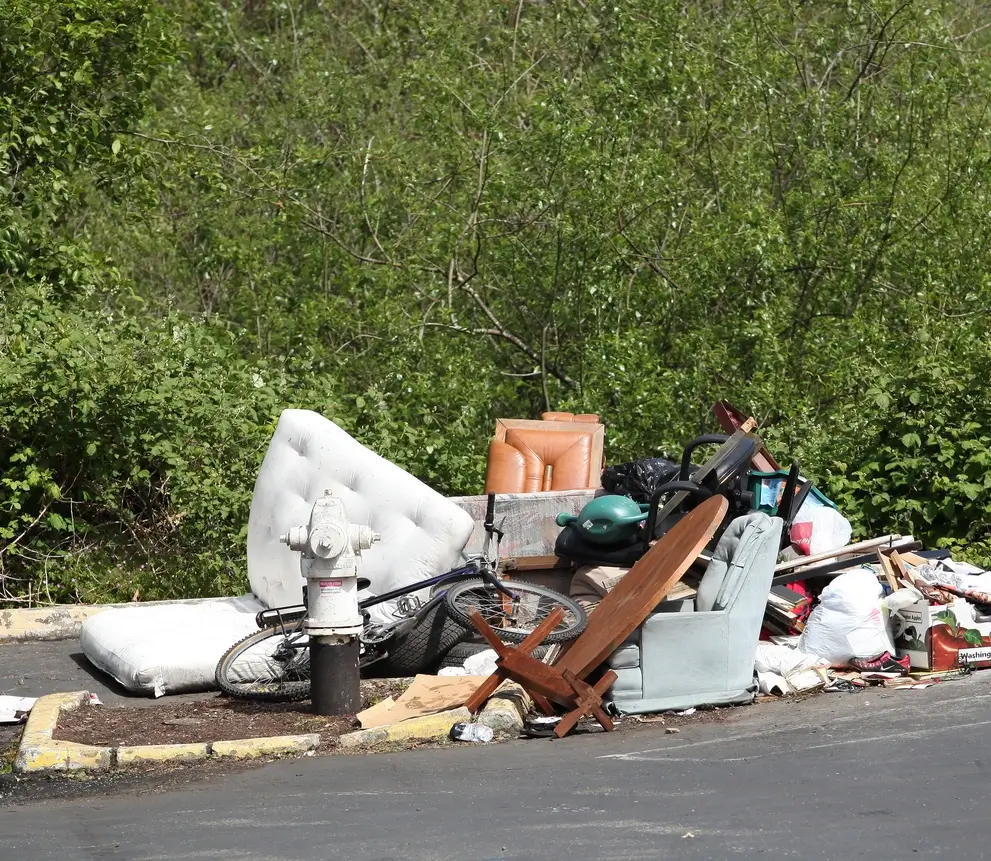
Some items and materials need a more specific disposal route than ordinary mixed waste. Our fridge and appliance removal service is intended for larger white goods and other bulky domestic items, while mattress and sofa disposal is useful when soft furnishings are being replaced and need to be taken away in a controlled manner. These jobs often work best when the items are identified clearly before collection.
For loads that require greater caution, hazardous waste disposal is the appropriate place to look for materials that should not be treated like normal household rubbish. This is a separate category because the handling, segregation and disposal expectations are different. It is sensible to check the item type carefully before assuming it can simply be added to a general skip load.
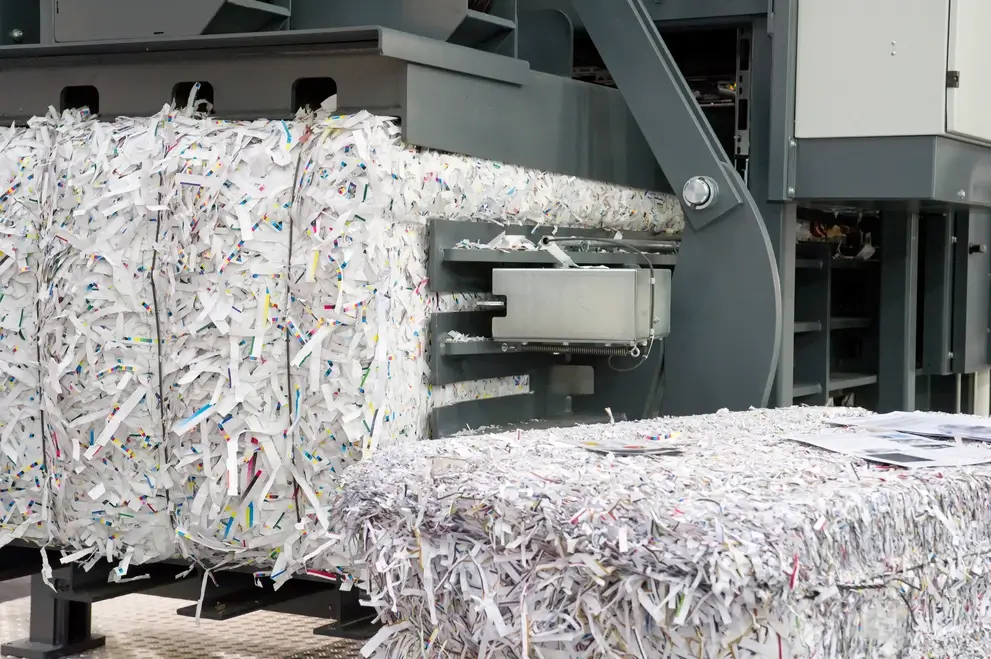
Recycling also matters in the wider disposal process. Our waste recycling services and recycling and sustainability information explain how material can be directed into more suitable recovery streams where possible. That can be relevant when a project produces wood, metals, cardboard, inert debris and reusable components. A more considered route is not just about convenience; it is also about matching waste to the right handling outcome.
Choosing the right skip and booking the job
The most sensible skip choice usually follows three questions: how much waste there is, what type it is, and where the container will sit. A compact project may only need a modest skip, while a renovation or clearance job may benefit from something larger so the waste can be loaded safely without constant overflow concerns. Our skip hire and skip sizes and prices pages are useful starting points for comparing the available options before you request a quotation.
When preparing an enquiry, it helps to have a rough estimate of the waste volume, a note of any awkward access and a sense of whether the job is a one-off or likely to generate material in stages. If you are arranging a permit-related placement, you should also allow time for that side of the process. The relevant guidance is on our skip permits and skip hire permits pages, which are worth reading before you finalise the arrangement.
Working around access, timing and collection method
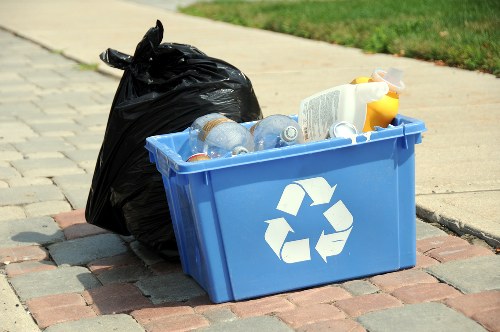
Access can affect the most practical waste solution as much as the waste itself. Narrow drives, limited frontage space, shared access points and busy roads all influence whether a skip, a wait-and-load arrangement or another collection method is the better fit. Where a container can be placed safely, it offers convenient on-site loading; where it cannot, a different approach may avoid unnecessary difficulty and help keep the job on schedule.
Before ordering, it is worth thinking about how the waste will be loaded and whether the area around the container will remain usable. Some projects benefit from a skip staying in place for a short period, while others need the waste to be removed as soon as it is gathered. If you are comparing methods, our grab hire services and grab lorry hire pages describe alternatives that may suit awkward access or bulkier material. Right method, right place is often the simplest rule to follow.
Office, garage and property clearance options
Some customers need more than a basic skip because the job is not just about disposal; it is about emptying a space in an orderly way. Our office clearance and house clearance pages are relevant where furniture, boxes, archived items and general contents need removing together. These services are particularly useful when the waste is mixed with reusable or bulky items that would otherwise take time to sort.
There is also a place for rubbish removal and man and van style support when the job is too awkward for a container or when a small but varied load needs clearing in one visit. The decision often depends on whether the waste can be loaded progressively on site or whether it is better gathered and taken away directly. If the project involves both disposal and physical removal from rooms or storage areas, a more hands-on approach may be the practical answer.
For a final comparison, think about the shape of the job rather than the label on the service. A property clear-out, a garage sweep, an office move-out and a home refurb all create different kinds of waste, even when the end goal is the same. If you want to line up the most suitable route, use the pages above to narrow the choice, then request a quotation once the waste profile is clear enough to describe accurately.
About Wanstead
Wanstead is a district in the London Borough of Redbridge, in east London, with a long history that combines village origins, planned landscape and suburban growth. The area is centred on Wanstead High Street and the open spaces around Wanstead Park and Wanstead Flats, which together create a distinctive contrast between busy local roads and broad green surroundings. The name is historically linked to the old parish and to former country estates, and that layered past still shapes the character of the place today. Wanstead Park forms part of Epping Forest and is known for its designed lakes, avenues and remnants of earlier estate landscaping, giving the area an unusually spacious feel within the wider city. Wanstead Flats, to the south, is a large expanse of common land that has long been valued for walking, sport and informal recreation. The district also contains a mix of period housing, local shops, churches and community buildings, with architecture that reflects different stages of London’s suburban expansion. Wanstead Underground station, on the Central line, provides a direct link into the capital, while the surrounding streets retain a recognisable local centre rather than a purely commuter feel. The relationship between the high street, the green spaces and the residential roads gives Wanstead a settled, walkable character that has changed gradually rather than abruptly. Historic buildings and older street patterns sit alongside later development, and that blend helps explain why the area is often described in terms of both heritage and liveability. Its parks, commons and transport connections make it one of the more distinctive parts of east London, with a strong sense of place rooted in landscape as much as in housing.
Quotation details and practical next steps
When you are ready to ask for a price, send the basic facts rather than a long story: what needs removing, roughly how much of it there is, and whether access is simple or restricted. If the load includes mixed construction waste, heavy rubble, green waste or bulky household items, mention that as well. Those points help shape the quotation and reduce the risk of choosing a size or collection method that does not suit the work.
You can also make the request more useful by noting whether the waste will be ready all at once or gathered over time. For jobs where the output builds in stages, it may be worth checking whether a skip, grab collection or removal service makes more sense. If you are unsure which direction to take, our pricing and quotes page is a sensible final stop before you send your details through and ask us to quote the job.
For a straightforward start, gather your waste description, choose the service page that best matches it and then request a quotation. We aim to keep the process practical and clear, so you can move from planning to removal without unnecessary delay. If you are comparing options for a job in Wanstead, now is the right time to request a quotation.