Eco-Friendly Solutions for Packaging and Cardboard Disposal: The Complete UK-Focused Guide
You open the stockroom on a grey Tuesday, and there it is: a mountain of boxes, a tangle of tape, the soft rustle of cardboard dust in the air. Sound familiar? Whether you run an e-commerce startup in Manchester, a cafe in Bristol, or a busy operations hub in London, the reality is simple--packaging keeps your business moving, but it can also quietly drain money, space, time, and carbon budgets. The good news: there are smarter, greener ways to do it--ways that feel better for your team and for the planet, and yes, can save serious cash. This guide delivers exactly that.
This is your practical, authoritative roadmap to Eco-Friendly Solutions for Packaging and Cardboard Disposal. We'll walk through step-by-step changes, expert tips, UK law and standards, and real tools that make it easy to switch. You'll find real-world numbers, plain-English advice, and a few human moments (because we've all tried to cram a giant box into a too-small bin, and yeah, we've all been there).
Table of Contents
- Why This Topic Matters
- Key Benefits
- Step-by-Step Guidance
- Expert Tips
- Common Mistakes to Avoid
- Case Study or Real-World Example
- Tools, Resources & Recommendations
- Law, Compliance or Industry Standards (UK-focused)
- Checklist
- Conclusion with CTA
- FAQ
Why This Topic Matters
Packaging sits at the crossroads of customer experience, operational efficiency, and environmental stewardship. Done badly, you ship air, pay more for materials and transport, jam your waste bins, and invite complaints. Done well, you'll reduce emissions, cut costs, speed up fulfilment, and delight customers (that moment when the box fits perfectly and the tape peels smoothly? Chef's kiss).
In the UK, cardboard is one of the most widely recycled materials. According to industry groups and WRAP guidance, recycling rates for paper and cardboard are high, often exceeding 70% in developed markets. Yet contamination (plastic tape, food residue), oversizing, and poor separation still cause a lot of recyclable fibre to be lost. The result: avoidable emissions and unnecessary cost. Truth be told, it's kinda wild how much difference a few process tweaks can make.
And there's urgency. With Extended Producer Responsibility (EPR) for packaging rolling out, plastic taxes in play, and rising disposal fees, smart packaging choices that simplify cardboard disposal aren't nice-to-haves--they're table stakes. Customers are paying attention too. Sustainability claims without substance? People can smell the greenwash a mile off.
Micro moment: One warehouse manager in Croydon told us, "You could almost smell the cardboard dust in the air at the end of peak season. We finally invested in a baler, and by Friday, we'd gained a full bay of space back." Clean, clear, calm. That's the goal.
Key Benefits
Switching to Eco-Friendly Solutions for Packaging and Cardboard Disposal delivers a bundle of wins. Some you'll notice in a week; others pay off over a quarter.
- Immediate cost savings: Right-sized packaging uses fewer materials and lowers volumetric shipping charges. Less waste means fewer collections and reduced disposal fees.
- Carbon reduction: Cardboard made with high recycled content and efficient box design reduces embodied carbon. Efficient disposal and recycling keep fibre in circulation, lowering emissions compared with virgin production.
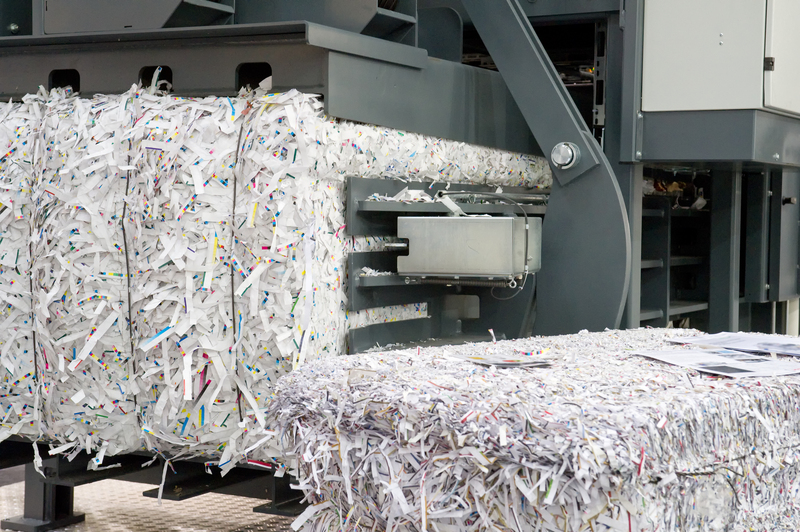
- Space reclaimed: Baled cardboard cuts the footprint of waste by up to 80-90%, freeing room for stock, packing stations, or--imagine--clear walkways.
- Faster packing: Water-activated paper tape, integrated box cutters, right-size automation--little things that turn minutes into seconds.
- Happier customers: Neat, minimal, recyclable packaging feels premium and thoughtful. Less "box full of air" frustration and fewer damages.
- Compliance readiness: Align with EPR, OPRL labelling guidance, and waste duty of care. Reduce risks of penalties and headaches.
- Stronger brand trust: People notice when you walk the talk. Sustainability that's practical and proven builds confidence.
Ever tried clearing a room and found yourself keeping everything "just in case"? Packaging can feel like that. Once you let go of the excess, everything moves easier.
Step-by-Step Guidance
Below is a pragmatic roadmap to create a closed-loop, low-waste packaging operation. You don't need to do it all in one sprint--pick a starting point and build momentum.
1) Audit what you have (2 weeks)
- Map your packaging SKUs: List box sizes, mailers, fillers, tapes, labels. Note volumes used and unit costs.
- Measure utilisation: Track dimensional weight vs actual weight for top 20 products. Identify oversizing.
- Bin walk: Spend 30 minutes at the end of a typical day. What's in the recycling stream? What's contaminating it? Take photos.
- Time a pack: Observe your team packing 10 orders. Where are the slow steps? Tape? Sourcing right box? Cutting down?
- Weigh your waste: Use a luggage scale for a quick snapshot. Record weekly totals for cardboard, soft plastics, mixed recyclables, and general waste.
Micro moment: It was raining hard outside that day, so we did the bin walk indoors, gloves on, coffee in hand. Five minutes in, we'd already spotted three avoidable issues--plastic film tangled with cardboard, a stack of unused void fill, and a box that could have shipped two sizes smaller.
2) Eliminate first, then reduce
- Remove unnecessary components: Ditch inner cartons if a single sturdy outer box is enough. Cut duplicate leaflets and replace with QR codes.
- Right-size packaging: Introduce 3-5 standardised box sizes. Add a couple of flexible options like book wraps and adjustable mailers.
- Smart dunnage: Replace plastic air pillows with paper void fill or honeycomb wraps. For delicate items, molded pulp or corrugated inserts beat loose plastic every time.
3) Choose sustainable materials that actually work
- FSC or PEFC certified cardboard: Signals responsible sourcing and consistent quality.
- High recycled content: 70-90% recycled fibre works well for many boxes. For heavy-duty needs, use double-wall with recycled content where viable.
- Water-activated paper tape (WAT): Strong, tamper-evident, recyclable with the box. Reduces plastic contamination and can speed up packing.
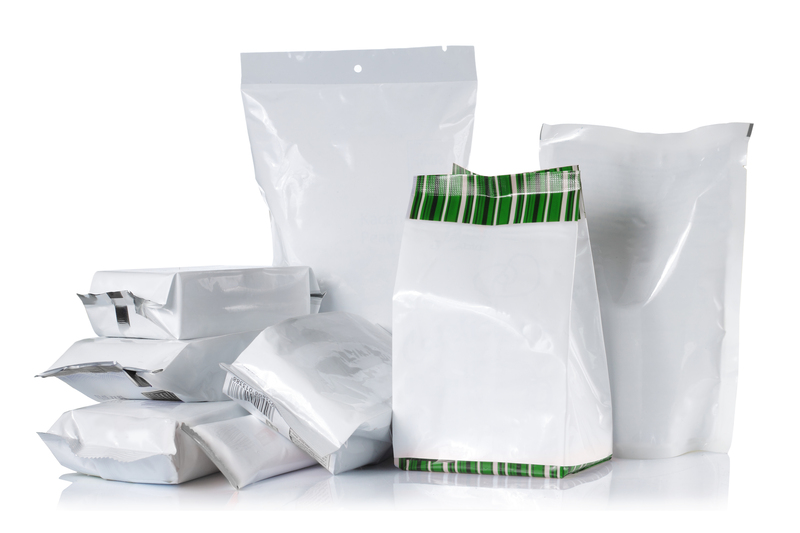
- Paper-based mailers: Replace poly mailers with kraft paper versions for recyclability, unless waterproofing is critical.
- Compostable? Use sparingly and only where industrial composting is likely; otherwise, opt for recyclable paper/cardboard to keep it simple for customers.
To be fair, there's no single perfect material. Your best bet is a clear hierarchy: reduce, reuse, then recycle with minimal contamination.
4) Make disposal frictionless
- Design for easy recycling: Aim for single-material packs. Limit plastic windows, lamination, and heavy inks.
- Label clearly: Use OPRL-style guidance so customers know exactly how to recycle at kerbside.
- Inside the warehouse: Provide separate, colour-coded bins for cardboard, mixed recyclables, soft plastics (if collected), and general waste.
- Baling and compacting: If your weekly cardboard exceeds 250-300 kg, a small vertical baler often pays for itself quickly through rebates and fewer collections.
5) Set up collections and rebates
- Local authority vs private collector: Compare pricing, schedules, contamination thresholds, and rebates for baled cardboard.
- Duty of care: Keep waste transfer notes. Verify your collector's licences. Simple, vital.
- Consolidate pickups: Align with delivery schedules or neighbouring businesses to reduce vehicle miles and charges.
6) Train your team (and keep it human)
- Short, visual SOPs: Show the correct box choices, tape pattern, and where to place recycled content labels.
- Two-minute tool huddles: Weekly micro training on box cutters, WAT dispensers, and baling safety.
- Gamify: Track "air shipped" reduction and celebrate wins monthly. Biscuits help. Always.
Ever notice how a tidy pack bench sounds different? Fewer clatters, less tearing, more clean WAT swishes. You'll hear the shift before you see it.
7) Measure, report, refine
- KPIs to track: Packaging cost per order, average box fill rate, damages per 1,000 orders, kg of cardboard recycled per week, contamination rate, carbon per shipment.
- Quarterly reviews: Adjust box sizes, replenish sustainable materials, renegotiate collections, check EPR reporting is clean and complete.
- Customer feedback loop: Scan reviews for complaints about packaging size or recyclability--then fix what's flagged.
Expert Tips
- Use right-size automation where volumes justify it: Auto-boxing machines cut void fill and labour. For SMEs, semi-manual sizing jigs are cost-effective.
- Switch to WAT for speed and recyclability: The adhesive bonds with fibres, needing fewer strips compared with plastic tape.
- Design packaging for reverse logistics: Tear strips and reseal features support returns without extra materials.
- Honeycomb and molded pulp for protection: They're recyclable, robust, and look professional. Customers love the eco feel.
- Standardise SKUs: Fewer box sizes = faster picking, better pricing, less confusion, fewer mispacks.
- Create a "first-open" experience: Minimal, tidy, paper-based. It's noticeably better and aligns with sustainability claims.
- Engage suppliers: Ask for FSC/PEFC certificates, recycled content proof, and packaging optimisation support. Many will help design inserts for free.
- Don't overcomplicate compostables: Unless you supply business customers with food waste collections, stick to paper/cardboard recyclability for simplicity.
- Use life cycle thinking: A tough recycled corrugate that prevents damages often beats a delicate compostable material that leads to returns and reships.
Quick aside: One packer told us switching to WAT felt odd for a week--then they wouldn't go back. It's smoother, quieter, and that neat, tamper-evident finish is oddly satisfying.
Common Mistakes to Avoid
- Oversizing boxes "just in case": You pay for air twice--materials and transport. Right-size tools fix this fast.
- Using plastic tape on recyclable packs: It slows recycling and can contaminate fibre. Paper tape integrates with the stream.
- Confusing labels: If it's not crystal clear, customers bin it. Use plain instructions like "Recycle with cardboard at kerbside."
- Chasing compostables everywhere: Without access to industrial composting, many compostables don't break down as intended. Recyclability is often better.
- Skipping training: The best materials fail with poor application--wrong tape pattern, no corner protection, rough handling.
- Ignoring data: If you don't track fill rates and damages, you'll miss quick wins and repeat avoidable losses.
- One-size-fits-all fillers: Fragile items need tailored protection. Use molded pulp or corrugated inserts for impact resistance.
- Not separating cardboard properly: Wet or food-stained board can't be recycled. Keep it dry and clean; store off the floor.
Small confession: we once shipped a tiny cable in a shoebox. Customer sent a photo. We deserved it. Lesson learned.
Case Study or Real-World Example
Brand: "Northline Threads" - a UK apparel e-commerce SME based in Leeds
Problem: High packaging costs, bulky waste piles, and rising courier charges due to dimensional weight. The stockroom felt cramped--team stepping around bags of scrunched void fill and teetering towers of flattened boxes.
Actions:
- Moved from 9 box SKUs to 5 right-sized boxes plus paper mailers.
- Replaced plastic tape with water-activated paper tape and introduced honeycomb paper wrap for fragile accessories.
- Installed a small vertical baler (50 kg bales) and colour-coded bins for cardboard, soft plastics, and general waste.
- Implemented simple OPRL-style labels and a one-page customer recycling guide placed in seasonal orders.
Results (first 12 weeks):
- Packaging cost per order down ~18% (fewer materials, better rates on standard sizes).
- Dimensional weight surcharges cut ~24% on average.
- Waste collections reduced from weekly to fortnightly; baled cardboard fetched a modest rebate.
- Damages decreased by 15% thanks to better fit and inserts.
- Customer reviews mentioning "too much packaging" dropped to nearly zero.
Carbon snapshot: By reducing average box mass by 80 g and increasing recycled content, the team estimated a reduction of around 0.05-0.1 kg CO2e per order (using typical published factors for corrugated board production, circa 0.6-1.0 kg CO2e/kg depending on composition and energy mix). Not lab-grade precise, but meaningful and directionally right.
On a chilly Thursday, the operations lead told us, "It just feels calmer. You can actually hear yourself think." That's the sound of waste leaving the building.
Tools, Resources & Recommendations
Here's a practical kit list to support Eco-Friendly Solutions for Packaging and Cardboard Disposal. Use what fits; ignore the rest.
Equipment
- Vertical baler (small 30-60 kg): Ideal for SMEs generating a few hundred kilos of cardboard weekly. Look for auto-strapping and safety interlocks.
- Compactor (if waste is mixed): Reduces collection frequency. Be sure to keep cardboard separate to retain recycling value.
- Right-size box sizer or auto-boxing: From manual sizers to semi-automated fit-to-size lines.
- Paper void fill machines: Convert kraft rolls into cushioning. Some models use recycled paper.
- Water-activated tape dispensers: Manual or electric, with preset lengths for speed.
- Box cutters with safety blades: Reduce injuries and product damage.
Materials
- FSC/PEFC-certified corrugate with high recycled content.
- Honeycomb and molded pulp for protective packaging without plastic.
- Paper mailers and book wraps for apparel, books, and accessories.
- Water-activated paper tape and recyclable labels (look for paper face with rubber or starch-based adhesives where feasible).
Software and Measurement
- Packaging design tools: CAD for corrugated (die-lines) and virtual drop testing for fragile items.
- Carbon calculators: Use supplier-provided LCAs or reputable calculators to estimate material emissions.
- SKU analytics: Track dimensional weight against box selection and highlight oversizing.
Operational Practices
- 5S your pack bench: Sort, set in order, shine, standardise, sustain. It's not just tidy; it's efficient.
- Standard work templates: Laminated instructions with photos--box choice, tape placement, filler quantity.
- Rebate relationships: Speak to recyclers about bale specs and contamination thresholds to maximise returns.
Where to learn more
- WRAP guidance on recyclability and packaging optimisation.
- OPRL scheme for clear labelling standards and consumer instructions.
- ISO 14001 for environmental management systems, and BS EN 13430 for packaging recyclability principles.
- Defra and Environment Agency updates on UK packaging EPR and reporting obligations.
Small human note: Start with one tool change that your team will love--often it's the tape system. Give them something that feels better in the hands, and adoption skyrockets.
Law, Compliance or Industry Standards (UK-focused)
UK regulations are tightening to push waste reduction and improve recycling quality. A quick guide to what matters:
Extended Producer Responsibility (EPR) for Packaging
- Who's affected: UK organisations that supply packaged goods to the UK market and meet threshold criteria (turnover, tonnage).
- What it means: You must collect and report detailed packaging data (material type, weight, recyclability) and may face modulated fees based on how recyclable your packaging is.
- Action now: Implement reliable data capture for all packaging components; design for recyclability to reduce future fee exposure.
Producer Responsibility Obligations (Packaging Waste) Regulations 2007
An existing framework that EPR is building upon. If you historically registered as a packaging producer, you'll be familiar with tonnage reporting and compliance schemes.
Plastic Packaging Tax
- Applies to plastic packaging with less than 30% recycled content (some exemptions apply).
- Encourages switching to recycled-content plastics or, where feasible, to paper/board alternatives.
Duty of Care and Waste Hierarchy
- Waste Hierarchy: Prevent, then prepare for reuse, then recycle, then recover, and landfill as a last resort.
- Duty of Care: Keep records (waste transfer notes), use licensed carriers, ensure proper segregation to prevent contamination.
Standards & Labels
- OPRL: Gives consumers clear, consistent instructions--"Recycle," "Don't Recycle," or "Rinse & Recycle."
- FSC / PEFC: Responsible sourcing certifications for paper and board.
- BS EN 13430: Packaging--Requirements for packaging recoverable by material recycling.
- ISO 14001: Framework for continual environmental improvement.
UK nuance: Local authorities differ. One London borough may take everything in a blue bin, while the next insists on cardboard flattened only. Always check local rules to keep your recycling stream clean.
Checklist
Use this quick checklist to embed Eco-Friendly Solutions for Packaging and Cardboard Disposal in daily operations:
- Audit top 20 SKUs for packaging fit and damages.
- Cut SKUs to 3-5 box sizes plus mailers.
- Switch to FSC/PEFC cardboard with high recycled content.
- Adopt water-activated paper tape and recyclable labels.
- Replace plastic void fill with paper or molded pulp.
- Set up colour-coded bins and keep cardboard dry.
- Install a small baler if weekly volumes justify it.
- Train staff with simple SOPs and monthly refreshers.
- Implement OPRL-style labelling for customer clarity.
- Track KPIs: cost/order, fill rate, damages, kg recycled, contamination.
- Review EPR data capture and maintain transfer notes.
- Schedule quarterly optimisation with suppliers and recycler.
Tick them off one by one. Progress beats perfection--always.
Conclusion with CTA
Packaging isn't just a box--it's a system. The smartest operators treat it like a product in its own right: designed with intention, measured with care, and improved with each cycle. When you choose Eco-Friendly Solutions for Packaging and Cardboard Disposal, you're not only helping the planet--you're reducing costs, simplifying operations, and sending a calm, confident message to your customers: we've thought this through.
Start small. Maybe today it's switching tape. Next week, right-size your top seller. By the next quarter, you'll wonder why you waited.
Get a free quote today and see how much you can save.
And breathe. Lighter bins, lighter bills, lighter footprint. Feels good, doesn't it?
FAQ
What's the single biggest change I can make to reduce packaging waste fast?
Right-size your boxes and switch to water-activated paper tape. You'll cut void fill, reduce shipping volume, improve recyclability, and often speed up packing in one go.
Are compostable mailers better than recyclable paper or cardboard?
Not always. Unless your customers have access to industrial composting, compostables may end up in general waste. Paper and cardboard that are easily recyclable at kerbside are usually the more reliable, low-friction choice.
Can I recycle cardboard with plastic tape still on it?
Most UK facilities can handle small amounts of plastic tape, but it adds contamination and slows processing. Paper tape is preferred because it can be recycled with the board, simplifying cardboard disposal and improving fibre recovery.
How should I deal with wet or food-stained cardboard?
Wet, greasy, or food-stained cardboard (like pizza boxes) typically can't be recycled. Tear off and recycle the clean lid; put the greasy bit in food waste (if accepted) or general waste. Keep storage areas dry to avoid saturating otherwise good material.
What is OPRL and why should I use it?
The On-Pack Recycling Label (OPRL) gives clear, standardised instructions to consumers--Recycle, Don't Recycle, or conditional steps. It boosts correct disposal and reduces contamination in recycling streams.
Does EPR for packaging affect small businesses?
Yes, potentially. EPR introduces new data reporting and fees based on recyclability. Thresholds apply, but many SMEs will need to collect better packaging data and may benefit from designing more recyclable solutions to reduce future costs. Check current thresholds and timelines for your size.
Will a cardboard baler really save me money?
For many sites producing 250-300 kg of cardboard a week or more, yes. Baling reduces collection frequency and can attract rebates. It also saves space and keeps the warehouse safer and tidier.
What eco-friendly void fill protects fragile items best?
Paper options work well for general cushioning, but for fragile goods, molded pulp, corrugated inserts, or paper honeycomb provide superior impact resistance while remaining recyclable.
Should I remove labels and staples before recycling cardboard?
Small labels and a few staples are generally fine. If labels are large plastic film sheets, remove them if practical. Aim to keep the stream as paper-dominant as you can--simple, clean, and dry.
Is water-activated tape messy or slow?
Not with the right dispenser. Electric or manual WAT dispensers provide consistent lengths and strong bonds. Most teams adjust within a week, and sealing often becomes faster and more reliable than with plastic tape.
How do I communicate packaging changes to customers?
Be transparent and simple. A small card or order insert explaining that you've reduced plastic and improved recyclability builds trust. Include clear disposal instructions and, if you can, the CO2 and material savings in plain English.
What if my products require moisture protection?
Use paper mailers with a light barrier coating or add a thin recyclable liner only where necessary. Keep mixed materials detachable and clearly labelled to maintain recyclability of the main component.
Are paper-based solutions always the best choice?
Paper and cardboard excel for recyclability and simplicity, but always consider performance. If a small amount of protective material prevents damages and returns, the overall footprint may be lower. Design for minimal materials and easy separation.
How often should I review packaging SKUs?
Quarterly is a good rhythm. Review performance, damages, customer feedback, and costs. Seasonal products may warrant a temporary SKU--just don't let those multiply unchecked.
Do recycled-content boxes compromise strength?
Not necessarily. Modern recycled corrugates are strong and consistent. For heavy loads, use double-wall or consult suppliers on the right grade. Verify with sample drop tests and transit trials.
What's the best way to train a mixed team quickly?
Use short, visual SOPs, 10-minute walk-throughs, and simple checklists at each station. Pair experienced packers with new starters for a week. Celebrate small wins--people engage when they feel improvements.
How do I keep cardboard clean and dry in a tight space?
Use stackable stillages or cages, keep off the floor on pallets, and position near a loading bay but away from doors that let in rain. Bale frequently if space is tight; little and often beats mountains of soggy board.
Are there UK-specific grants or support for packaging improvements?
From time to time, local authorities and business growth hubs offer grants or advice for waste reduction, energy efficiency, or equipment like balers. Check your local council, LEP, or sustainability programmes.
How do I estimate carbon savings from packaging changes?
Work with suppliers for emissions data per kg of material, then multiply by weight reductions and recycled content changes. Use reputable conversion factors and keep assumptions documented for transparency.
Can I mix cardboard with paper in the same recycling bin?
Many UK collections accept mixed paper and cardboard together, but it varies by council and contractor. When in doubt, keep corrugate separate--especially if you're baling--to maintain value and quality.
What's the simplest way to start tomorrow?
Pick your top-selling product, choose the best-fit box or mailer, switch to paper tape, and add a plain recycling note for customers. One change, one SKU. Build from there--momentum matters.