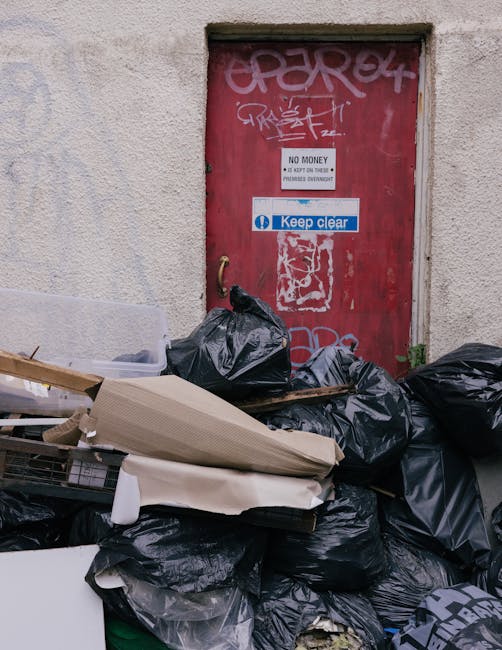
Wanstead Flats bulky rubbish removal tips for locals
If you live near Wanstead Flats and you are staring at a broken wardrobe, an old mattress, a sagging sofa, or a pile of household clutter that is just too awkward for normal bins, you are not alone. Bulky rubbish has a habit of building up quietly, then suddenly becoming the thing you keep stepping around. These Wanstead Flats bulky rubbish removal tips for locals are written to help you clear it properly, avoid needless hassle, and choose the most sensible option for the job.
The key is not simply getting rid of waste quickly. It is about doing it in a way that suits local access, keeps pathways clear, reduces lifting risks, and avoids the classic mistake of paying for a solution that is too big, too small, or just plain inconvenient. A bit of planning goes a long way. Honestly, a lot farther than people expect.
In this guide, you will find practical steps, common mistakes, comparison points, and a simple checklist you can use before booking anything. If you need a broader overview of disposal options, it can also help to look at rubbish removal and domestic skip hire as part of your decision.
Table of Contents
- Why Wanstead Flats bulky rubbish removal tips for locals Matters
- How Wanstead Flats bulky rubbish removal tips for locals Works
- Key Benefits and Practical Advantages
- Who This Is For and When It Makes Sense
- Step-by-Step Guidance
- Expert Tips for Better Results
- Common Mistakes to Avoid
- Tools, Resources and Recommendations
- Law, Compliance, Standards, or Best Practice
- Options, Methods, or Comparison Table
- Case Study or Real-World Example
- Practical Checklist
- Conclusion
- Frequently Asked Questions
Why Wanstead Flats bulky rubbish removal tips for locals Matters
Wanstead Flats sits in a part of London where many homes, flats, and shared properties have limited storage and limited tolerance for clutter. That matters because bulky waste is not just "more rubbish". It is often heavier, awkwardly shaped, harder to carry, and more likely to damage walls, floors, or doorframes if you rush it. One wrong turn on the stairs with an old sofa and suddenly you have a chipped plaster corner and a bad back. Not ideal.
For locals, the real value of good bulky rubbish removal is the mix of convenience and control. You decide what leaves, when it leaves, and how much handling is involved. That is especially useful after a clearance, a furniture upgrade, a spring tidy-up, or a last-minute move. It is also helpful if you are juggling family life and trying to avoid a weekend spent chopping up old furniture with a blunt saw and a growing sense of regret.
There is also a local practical angle. Around Wanstead Flats, access can vary a lot between roads, front gardens, side returns, and shared entrances. Some jobs are easy to load. Others need careful placement, a quick turnaround, or a no-nonsense removal method. Choosing well avoids repeat trips, awkward delays, and extra lifting.
Expert summary: The best bulky rubbish removal plan is usually the simplest one that matches the size, weight, access, and urgency of the waste. If you get those four things right, you are already ahead of most people.
How Wanstead Flats bulky rubbish removal tips for locals Works
At a basic level, bulky rubbish removal works in three stages: sort the items, choose the right collection method, and make the waste ready to be taken away. That sounds obvious, but it is where most of the decisions sit.
First, separate what is actually bulky from what is normal household waste. A dismantled chest of drawers, a mattress, a washing machine, old shelving, garden furniture, and broken general furniture all fall into different handling patterns. Some can be loaded easily. Others may need a specialist service such as fridge and appliance removal or mattress and sofa disposal.
Second, decide whether the job is best suited to a skip, a wait-and-load arrangement, a van collection, or a grab-style service. If waste is already stacked and you have room, a skip can be efficient. If access is tight or you want the waste gone quickly, a wait-and-load service might make more sense. If you need help with a mixed pile from a loft, garage, or house move, a van collection can be more flexible. For some loads, grab hire services are a strong option because the vehicle can often reach awkward spots more easily than a traditional skip setup.
Third, make the load safe and ready. That means no hidden sharp edges, no loose drawers flying out, no liquids left inside, and no confusing mix of materials. If you are unsure what is acceptable in a skip, it is worth reading what can go in a skip before you book.
The process does not need to be dramatic. Usually, it is just calm, ordered, and a bit more methodical than people expect. Which, to be fair, saves a lot of bother.
Key Benefits and Practical Advantages
Getting bulky rubbish removed properly gives you more than a cleared room. It changes how the whole space feels. The room opens up, the floor is visible again, and the mental weight lifts along with the physical mess. Anyone who has lived with a spare room full of old junk knows the feeling.
- Less strain: You avoid repeated lifting, dragging, and carrying heavy or awkward items.
- Better access: Hallways, stairs, and entrances stay clear, which is especially useful in shared buildings.
- Faster turnaround: A well-planned collection can clear a lot in one visit.
- Cleaner finish: A proper removal service can leave the area tidier than piecemeal DIY disposal.
- More suitable for mixed loads: Bulky waste often includes furniture, cardboard, textiles, and small scrap all together.
- Lower stress: You do not have to keep rescheduling journeys to the tip or arranging help from mates who are suddenly "busy".
There is another practical advantage people overlook: you can match the removal method to the waste type. For example, if you are clearing a loft, the waste may be lighter but awkward. In that case, a garage and loft clearance approach can be more sensible than trying to manage everything as a one-off heavy lift. For a larger property cleanout, house clearance may be the cleaner answer.
If the waste is from a business or an office space rather than a home, the same principle applies, but the scale and timing can change. In those situations, office clearance or commercial skip hire may fit better.
Who This Is For and When It Makes Sense
This advice is for locals who need to clear bulky items without making a mess of the rest of the day. That includes flat owners, tenants, landlords, homeowners, caretakers, letting agents, and anyone dealing with a one-off accumulation of stuff that has outgrown the boot of a car.
It makes sense in all sorts of everyday situations:
- you are replacing old furniture after a move
- you are clearing a spare room, loft, or garage
- you are finishing a renovation and want the leftover materials gone
- you are dealing with a broken appliance that cannot be left outside indefinitely
- you are preparing a property for sale or new tenants
- you are tackling garden clutter after a heavy weekend tidy-up
Sometimes the decision is obvious. Other times, it is less clear. Do you need a skip? A van? A collection service? A wait-and-load option? That depends on volume, access, and time. If your street parking is awkward or your front path is narrow, a flexible collection can be less stressful than setting a skip on-site. If the load is bulky but not huge, man and van can be a neat middle ground.
For garden-heavy clearances, especially after pruning, fencing work, or a reshaped outdoor area, garden waste removal may be the more suitable route. Not every pile of waste should be treated the same way. That is really the point.
Step-by-Step Guidance
Here is the straightforward way to handle bulky rubbish removal without making it harder than it needs to be.
- List everything you want removed. Walk through the room, garage, loft, or garden and note each item. Be specific. "Old stuff" is not enough when you are choosing a service.
- Separate large items from special waste. Keep appliances, electrical items, confidential paperwork, and anything potentially hazardous apart from the main pile.
- Measure the biggest pieces. A quick tape measure check can save you from booking the wrong size or underestimating access problems.
- Check how the items will leave the property. Stairs? Narrow hallway? Shared entrance? Locked gate? These details matter more than people think.
- Decide on the best disposal method. For some jobs, the right answer is a skip. For others, it is a removal crew, a van, or a wait-and-load arrangement.
- Prepare the items safely. Remove drawers, empty cupboards, tape loose doors shut if needed, and bundle smaller bits together.
- Keep a clear route. Move shoes, bikes, bins, plant pots, and anything else in the way.
- Book with enough flexibility. If your area has parking constraints or timing issues, make sure the collection plan allows for that.
- Confirm the waste type before collection. Mixed household clutter is one thing. Appliances, rubble, or hazardous material is another.
- Ask about recycling or reuse where relevant. A good waste plan should not just move material around. It should send it to the right place.
That last bit is easy to skip, but it matters. Good disposal is about matching the item to the route, not just dumping everything together and hoping for the best.
If the load is urgent, a same day skip hire option may help, although it is still worth checking access and suitability first. Sometimes fast is great. Sometimes fast is just rushed with better branding.
Expert Tips for Better Results
After enough clearances, you start to notice the same things coming up again and again. The most useful tips are usually the boring ones, oddly enough.
Tip 1: Sort before you lift. It is much easier to think clearly while the waste is still on the floor than halfway down the stairs with a bent knee and a wobbling cupboard door.
Tip 2: Don't overfill a container. Whether you are using a skip or arranging a load in a van, overpacking can make collection harder and less safe. Keep items stable and level where possible.
Tip 3: Protect the route. Use old cardboard, sheets, or temporary coverings if you are moving dirty or scratched items through clean interiors. A small bit of protection can save a lot of cleaning later.
Tip 4: Think about timing. Early mornings can be quieter for loading. Late afternoons can be better if you are waiting on other deliveries or a helper. Small detail, big difference.
Tip 5: Be honest about the load. If you think something might be outside normal household waste, say so upfront. That avoids awkward surprises at collection time.
Tip 6: Use the right service for the right waste. Construction debris, for example, is not the same as a sofa and two bedside tables. If your project includes hard materials, builders skip hire or builders waste removal may be more appropriate.
Tip 7: Keep an eye on security. If you are disposing of paperwork, account notes, or anything sensitive, look at confidential shredding rather than stuffing it into general waste.
And one practical truth: the item you forget is almost always the one that causes the extra trip. The loose chair leg. The broken lamp base. The final cushion under the bed. Happens all the time.
Common Mistakes to Avoid
Bulky rubbish removal goes wrong in predictable ways. Avoid these and you will save time, money, and a fair bit of irritation.
- Guessing the volume. Underestimating how much you have can lead to the wrong service or too little space.
- Mixing everything together. Some items need separate handling, especially appliances and hazardous materials.
- Leaving access checks too late. Narrow gates, parked cars, and low tree branches can all affect the plan.
- Forgetting about permits or parking issues. If you need a skip placed on a public road, check the permit position in advance. The relevant page on skip hire permits is a useful starting point.
- Assuming all furniture can go anywhere. Sofas, mattresses, and fridges often need specific handling.
- Trying to do too much alone. Heavy lifting without help is a good way to strain yourself. There is no medal for that.
- Leaving the booking until the last minute. If you have a deadline, give yourself breathing room. Life rarely runs to script.
It is also worth avoiding the "I'll just put it near the curb and sort it later" approach. That can create clutter, look untidy, and cause problems if the item is not collected quickly. Better to have a clean plan from the outset.
Tools, Resources and Recommendations
You do not need a van full of specialist gear, but a few simple tools make the job easier.
- Tape measure: useful for checking furniture size and access widths.
- Marker pen: handy for labelling keep, donate, recycle, and remove.
- Heavy-duty gloves: useful for sharp edges, splinters, and dusty items.
- Box cutter or screwdriver: helpful for dismantling flat-pack furniture safely.
- Dust sheets or cardboard: good for protecting floors and corners.
- Straps or rope: useful for bundling smaller pieces.
For planning, the most useful internal references are usually the ones that explain what is allowed, what is priced, and how the service works. Start with skip sizes and prices if you are trying to work out capacity, and use pricing and quotes when you want a clearer idea of the likely structure of costs. If you care about where the waste goes, recycling and sustainability is the page to review.
For extra reassurance on service standards and day-to-day expectations, pages like health and safety policy and insurance and safety are worth a look. They show the kind of operational care people should expect, even if the job itself is simple.
Law, Compliance, Standards, or Best Practice
For bulky waste, the main thing is to dispose of it responsibly and through a lawful route. You do not need to turn the job into a legal dissertation, but you should know the basics. In the UK, waste should be passed to a legitimate carrier and handled in line with accepted waste management practice. If a provider is taking mixed waste, they should be able to explain what happens to it and how recyclable material is separated where possible.
Some items need extra care. Fridges, freezers, and certain appliances can involve gases or components that should be handled properly. Mattresses and sofas may need specific collection arrangements. Hazardous items should never be mixed casually with general rubbish. If you are unsure, ask first. That is the safest move, and frankly the least annoying one later on.
Where a skip is placed on a public road, the local permit question becomes important. You should not assume roadside placement is automatically fine. Also, if you are operating in a shared building or managed property, check the building rules and keep communal access clear. Best practice is simple: avoid damage, avoid obstruction, and avoid leaving waste where it could cause nuisance or risk.
If you need a high-level policy reference for peace of mind, the website's terms and conditions and payment and security pages help explain expectations around booking and transactions. That may sound administrative, but it matters when you want everything tidy from start to finish.
Options, Methods, or Comparison Table
There is no single perfect method for every bulky rubbish job. The right choice depends on how much waste you have, how quickly it needs removing, and how easy it is to reach the property. Here is a simple comparison.
| Method | Best for | Strengths | Watch-outs |
|---|---|---|---|
| Skip hire | Larger mixed clearances, DIY waste, ongoing loading | Good capacity, flexible loading, suitable for longer jobs | Needs space; may require a permit if on a public road |
| Wait-and-load | Quick clearances with limited parking or access | No skip left behind, fast turnaround | Needs items ready to load promptly |
| Man and van | Bulky household items, mixed clutter, loft/garage jobs | Very flexible, often good for awkward access | May suit smaller or medium loads better than huge clearances |
| Grab hire | Heavy or awkward waste piles, outdoor loads | Useful for hard-to-reach material, efficient loading | Needs space for the vehicle and workable access |
If your pile includes building debris as well as furniture, a service focused on construction waste disposal or construction waste clearance may be more suitable than a household-only approach. Likewise, demolition waste is a different beast again, and demolition waste removal exists for exactly that kind of job.
If the choice still feels fuzzy, ask one simple question: do I need capacity, speed, flexibility, or all three? That usually points you in the right direction.
Case Study or Real-World Example
A local family near Wanstead Flats recently faced the kind of clearance that creeps up on you. They had an old sofa, two wardrobes, a broken freezer, several bags of attic clutter, and a stack of garden trimmings that had sat in the corner for weeks. Nothing was extreme on its own, but together it was a bit of a monster.
At first they thought a standard bin run would do it. It would not. The sofa alone was too awkward to manoeuvre through the hallway without damage, and the freezer needed proper handling. They sorted the items by type, measured the larger pieces, and checked the access route from front door to street. A quick rethink made all the difference.
They ended up splitting the job into two parts: furniture and general household clutter through a removal service, then the heavier outdoor waste through a more suitable clearance option. The result was a much smoother day. No repeated trips. No wrestling a sofa through a doorway that was clearly not designed for it. And the spare room was usable again by the evening, which, let's face it, felt like a small miracle.
The main lesson was simple: mixed bulky waste is easier when you stop treating it as one giant blob. Break it into categories, and the whole job becomes calmer.
Practical Checklist
Use this before you book or start moving anything.
- Have I listed every bulky item clearly?
- Do I know which items are furniture, appliances, garden waste, or special waste?
- Have I measured the biggest items and checked access?
- Is there a clear route from the item to the collection point?
- Do I need a skip, wait-and-load, van collection, or grab service?
- Have I checked whether any item needs special handling?
- Do I need a permit or permission for where the waste will be placed?
- Have I protected floors, walls, and doorframes?
- Am I happy with the collection timing?
- Have I reviewed what can go in the chosen container or service?
If you want to narrow down the best option quickly, you can also review skip hire alongside wait and load skip hire. Those two pages are useful when you are comparing convenience versus on-site capacity.
And if you are planning to book, book online is the obvious next step once you know what you need. Simple enough.
Conclusion
Good Wanstead Flats bulky rubbish removal is not about brute force. It is about choosing the right method, sorting the waste properly, and making the whole process fit your space rather than fighting against it. That is especially true for locals, where access, timing, and property layout can vary from one street to the next.
If you remember only one thing, let it be this: measure first, sort second, and book third. It saves time, reduces stress, and makes the result feel much more satisfying. A clear room really does change the mood of a home. You notice the quiet afterwards.
Get a free quote today and see how much you can save.
If you still have questions or want to talk through a more complicated load, the team's contact us page is there for a reason. And if you want to know a little more about the people behind the service, about us gives useful background. Either way, getting the waste sorted is one of those jobs that feels much bigger before you start than it does after it is done. Which is usually a good sign.
Frequently Asked Questions
What counts as bulky rubbish near Wanstead Flats?
Bulky rubbish usually means items that are too large, awkward, or heavy for normal household bins. That often includes sofas, mattresses, wardrobes, appliances, tables, garden furniture, and mixed clear-out waste from lofts or garages.
Is a skip the best option for bulky rubbish removal?
Sometimes, yes. A skip is useful if you have enough space, enough waste, and time to load it properly. If access is tight or you want the waste gone quickly, a wait-and-load or man and van option may be better.
Do I need a permit for a skip in Wanstead Flats area?
If the skip is placed on a public road, a permit may be needed. If it stays entirely on private land with suitable access, the position is different. Always check before booking rather than assuming.
Can I put a sofa or mattress in a normal skip?
Often yes, but collection providers may have specific handling or charging rules for these items. It is sensible to check the service conditions first, especially for large or heavy upholstery items.
What should I do with a broken fridge or freezer?
Fridges and freezers are usually best handled as appliance removal because they may contain components that need specialist treatment. Do not treat them like ordinary household rubbish.
How do I avoid damage when moving bulky items out of a house?
Clear the route, protect corners and floors, remove detachable parts, and get help if the item is heavy or unstable. One person at each end is often safer than trying to muscle it through alone.
What if my bulky waste includes some construction debris?
Then you may need a service better suited to heavier or mixed materials, such as builders skip hire, construction waste disposal, or construction waste clearance, depending on the load.
Is same-day removal worth it?
It can be, especially if you need access back quickly or are working to a deadline. The trade-off is usually less flexibility, so it helps to have everything prepared before the team arrives.
How can I keep costs down?
Sort the waste properly, avoid mixed contamination, measure the load accurately, and choose the smallest method that genuinely fits the job. Guessing usually costs more than planning.
What happens to the waste after collection?
That depends on the service and the material, but good practice is to separate recyclable items where possible and send waste to the appropriate processing route. If sustainability matters to you, review the provider's recycling approach before booking.
Can bulky rubbish removal help with loft or garage clearances?
Yes. In fact, lofts and garages are some of the most common places where bulky clutter builds up. A structured approach through garage and loft clearance can save a lot of lifting and sorting time.
What if I only have a few awkward items, not a full load?
Then a smaller removal option such as man and van can be a very sensible fit. You do not need to book a huge solution for a modest amount of waste.
When in doubt, keep it simple and ask the right question: what is the quickest safe way to remove this load without causing extra hassle? That usually leads you to the right choice, and once it is gone, you will feel the room breathe again.